How to Choose the Right Longpass Filter for Your Application
Cut-on wavelength, transmission, blocking and substrate — the four parameters that matter most when specifying a longpass filter.
Read More →Technical guides, product news and application notes from our optical engineering team.
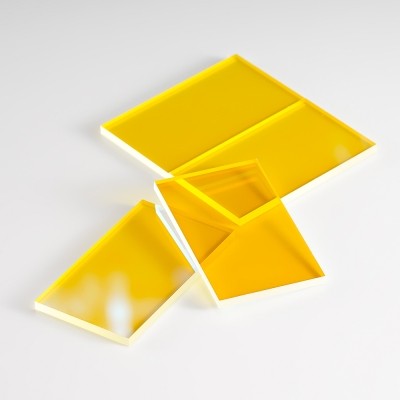
Cut-on wavelength, transmission, blocking and substrate — the four parameters that matter most when specifying a longpass filter.
Read More →
Reflectivity, bandwidth, damage threshold and cost — a practical comparison to help you specify the right mirror.
Read More →
Understand how AR coatings reduce surface reflection and which coating type fits your wavelength range.
Read More →
A practical guide to reading LIDT specifications and avoiding costly optic failures in high-power laser systems.
Read More →
A step-by-step cleaning workflow that protects delicate coatings and extends the life of your optics.
Read More →
A look inside our workshop and the steps every custom optical component goes through.
Read More →
A side-by-side guide to the direction of transmission, cut-off behaviour and typical uses of shortpass and longpass filters.
Read More →
Two optics that separate light by wavelength or by power — and why choosing between a dichroic mirror and a beamsplitter changes your system.
Read More →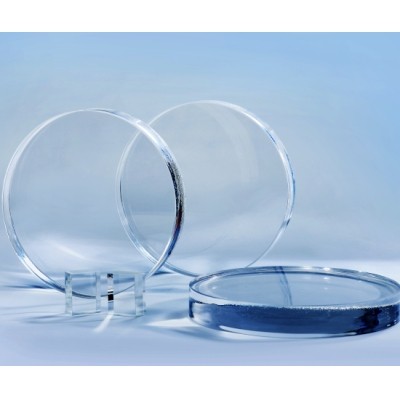
A practical comparison of the optical glasses behind lenses, windows and filters — how refractive index, dispersion, transmission and durability steer substrate choice.
Read More →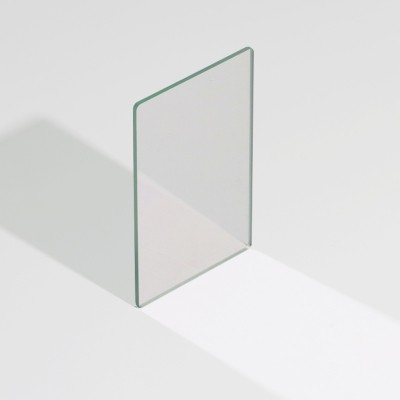
What a beamsplitter ratio means, how to read R/T and reflection/transmission specs, and how to pick the right split for your application.
Read More →
Why ultraviolet optics demand special substrates, low-absorption coatings and tighter surface quality — and how to specify them correctly.
Read More →
An introduction to the infrared band and the materials, filters and coatings that make IR imaging, sensing and laser systems work.
Read More →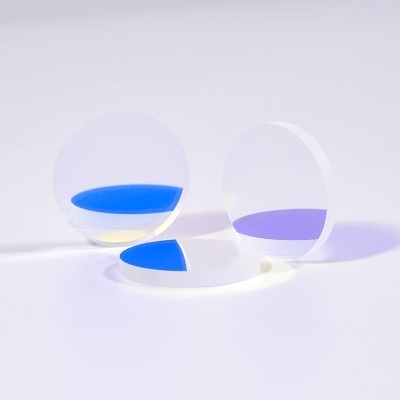
Longpass, shortpass, bandpass, notch, neutral density, dichroic — a plain-language map of the filter categories and when to use each.
Read More →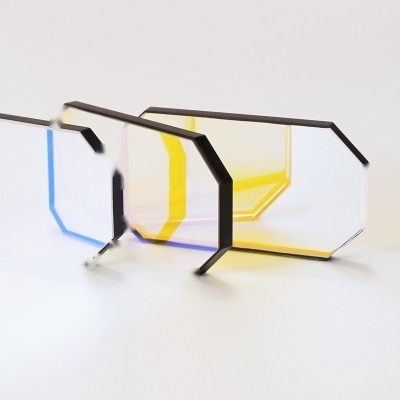
A laser is a single wavelength, which is a huge advantage — if you choose optics coated precisely for that line. Here is what to check at 355, 532, 1064 and other common wavelengths.
Read More →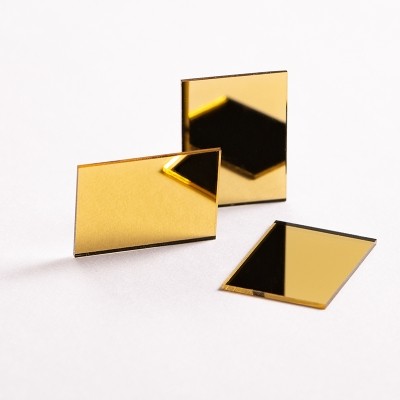
Anti-reflection, high-reflection, dichroic and protective coatings each solve a different problem. Here is how they work and how to tell which one your optic needs.
Read More →